Is Drinking Seltzer Good for You? The Honest Answer
Last Updated: November 17, 2026
Quick Summary
Drinking seltzer is good for you when it is plain and unsweetened, since carbonated water counts toward daily fluid intake just like still water. The problems people worry about come from what gets added, such as sugar in tonic water or citric acid in flavored varieties.
- Plain seltzer contains no sugar, no sweeteners, and no added minerals.
- Tonic water contains quinine and almost always sugar or syrup, so treat it like a soft drink.
- Carbonation side effects like burping and bloating are usually mild and fade within a couple of weeks.
- Wait roughly half an hour to brush after an acidic drink so saliva can repair softened enamel.
- Choose plain or unsweetened sparkling water as your default to limit acid exposure.
Table of Contents
- What Drinking Seltzer Actually Is (and What It Isn't)
- Hydration: Does Carbonated Water Count Toward Fluid Intake?
- Side Effects of Drinking Sparkling Water Every Day
- Is Drinking Seltzer Water Bad for Your Teeth?
- Is Seltzer Water Bad for Your Kidneys?
- Is Sparkling Water Good for Weight Loss?
- Choosing a Bottle Worth Pouring: What to Look For
- Build a Daily Seltzer Routine That Works for You
- Frequently Asked Questions
What Drinking Seltzer Actually Is (and What It Isn't)
Drinking seltzer means consuming carbonated water, plain water charged with carbon dioxide. For the companion question of whether bubbly water is bad for you, the honest answer follows the same logic. That definition sounds simple, but the category hides real differences that change how a drink affects your body, your teeth, and your wallet.
Seltzer is water plus carbonation, nothing more. Plain seltzer contains no sugar, no sweeteners, and no added minerals. The carbon dioxide dissolves into water and forms weak carbonic acid, which gives seltzer its faintly tart edge and a slightly lower pH than still water. That acidity is mild, but it is the detail most people skip past, and it matters later when we get to enamel.
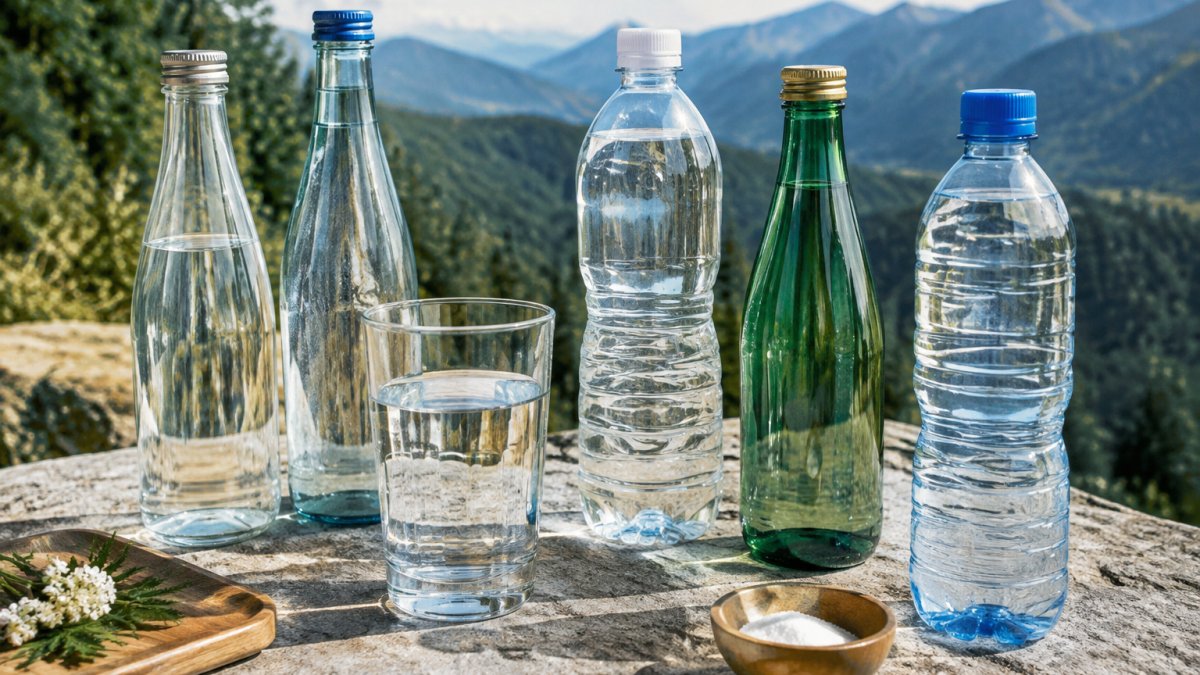
Seltzer vs. Sparkling Mineral Water, Club Soda, and Tonic
These four drinks sit on the same shelf and get used interchangeably, which is a mistake. The differences change sodium load, sugar load, and how the drink behaves in your mouth and stomach.
Seltzer is carbonated tap or filtered water. No added minerals, no sugar, no sodium worth counting.
Sparkling mineral water comes from a spring or borehole and carries naturally occurring minerals, typically calcium, magnesium, and bicarbonate, that vary by source.
Club soda is carbonated water with minerals and often sodium added deliberately, plus sometimes bicarbonate or a small amount of salt.
Tonic water contains quinine and, in almost every commercial version, sugar or syrup. Tonic water drinks like a sparkling water and behaves like a soft drink.
A quick way to sort any can or bottle: look at the ingredient line first, then the sodium and sugar figures per serving.
Watch out: "sparkling water" on the front label is a marketing phrase.
The four bubbly drinks on the shelf are not interchangeable, here is how they differ.
| Drink | What it contains | Key difference |
|---|---|---|
| Seltzer | Carbonated tap or filtered water; no added minerals, sugar, or sodium | Closest thing to still water with bubbles |
| Sparkling mineral water | Spring or borehole water with naturally occurring minerals | Mineral content varies by source |
| Club soda | Carbonated water with added minerals and often sodium | Sodium can be a meaningful share of a restricted day |
| Tonic water | Quinine plus sugar or syrup in almost every commercial version | Drinks like sparkling water, behaves like a soft drink |
Hydration: Does Carbonated Water Count Toward Fluid Intake?
Yes. Carbonated water counts toward daily fluid intake in the same way still water does. The carbonation changes the mouthfeel and the pH, not the water molecule.
Many people find sparkling water easier to drink in volume than plain water, particularly if they dislike the flat taste of tap water. A beverage you actually finish hydrates you better than a theoretically superior one you abandon half full. Thirst, urine color, and how you feel during the day remain the practical signals.
One caveat: carbonation can create a sense of fullness. If you struggle to drink enough, sipping sparkling water slowly across the afternoon works better than drinking a large bottle in one sitting. Watch out for the opposite error too, where people count coffee and tonic water as hydration and end up well short of their actual fluid intake.
Side Effects of Drinking Sparkling Water Every Day
For most people, the side effects of drinking sparkling water every day are mild and temporary: burping, a little gas, and occasional bloating in the first week or so.
People with sensitive digestion may notice stomach discomfort or a feeling of pressure after a large serving, especially when they drink quickly or with meals. The first week usually brings the most burping, and the body settles into a new baseline within a couple of weeks. If you are in that adjustment window, a few practical moves may help:
- Slow down. Sip rather than gulp; a straw can help pace intake.
- Start smaller. A smaller bottle at first, then scale up as tolerance builds.
- Separate from meals if fullness is the issue. Carbonation takes up space in the stomach, so drinking it between meals rather than alongside a large one reduces the pressure sensation.
- Try room temperature. Cold carbonated drinks can feel more aggressive on a sensitive stomach; letting the bottle sit out briefly sometimes helps.
Here is where the daily habit gets more interesting. A common mistake is assuming that because seltzer is "just water," every flavored version is equally neutral.
It also helps to separate the carbonation from the flavoring.
If you experience persistent acid reflux or regular stomach discomfort rather than occasional gas, that is a conversation for your doctor, not a label to decode on your own.
Watch out: persistent heartburn, a sour taste in the mouth, or difficulty swallowing after carbonated drinks are not normal adjustment symptoms.
Is Drinking Seltzer Water Bad for Your Teeth?
Carbonated water on its own poses a low risk to tooth enamel, but the risk can rise with added acid and frequency of exposure (Sparkling water habits to protect teeth). Plain seltzer's carbonic acid is weak. Citrus-flavored sparkling waters with citric acid are meaningfully more acidic, and sipping them steadily all day keeps enamel bathed in acid.
Dental erosion happens through repeated acid exposure, not a single glass. Practical guidance is straightforward:
- Choose plain or unsweetened sparkling water as your default
- Keep citrus-flavored varieties to mealtimes rather than all-day sipping
- Use a straw if you are prone to sensitivity
- Rinse with plain water after drinking, and wait before brushing
That last point surprises people. Brushing immediately after an acidic drink scrubs softened enamel. Waiting roughly half an hour lets saliva do its repair work first. The American Dental Association's guidance on erosion and acidic drinks covers the mechanism in more detail if you want the clinical version.
Is Seltzer Water Bad for Your Kidneys?
No. Seltzer water is not bad for your kidneys, and there is no reason to avoid carbonation if your kidney function is normal. The kidneys regulate fluid and electrolyte balance, and water is what they need, carbonated or not.
The confusion usually comes from sodium. Club soda and some sparkling mineral waters contain sodium, and people on sodium-restricted diets reasonably ask whether daily bubbles add up. Check the label: the sodium figure per serving tells you what you need to know, and plain seltzer is essentially sodium-free.
Where the kidneys do deserve attention is in the broader pattern. If you are replacing sugary soda with sparkling water, your whole system benefits from the swap. If you have diagnosed kidney disease or a fluid restriction, follow your clinician's instructions rather than a general article.
Is Sparkling Water Good for Weight Loss?
Sparkling water can support weight loss indirectly, by replacing caloric drinks and by taking the edge off appetite between meals. It is not a fat burner, and no carbonated water will change your metabolism.
The mechanism that actually works is substitution. Many people find that a glass of sparkling water with a slice of lime satisfies the craving they used to answer with soda or juice, and the calorie difference over a month is real. The fullness effect helps some people eat slightly less at meals.
Where it backfires: sweetened sparkling beverages, tonic water, and flavored varieties with added sugar deliver the calories you were trying to avoid while feeling like a healthy choice. Unsweetened is the word to look for on the label.
Choosing a Bottle Worth Pouring: What to Look For
Once you decide sparkling water earns a place in your routine, the bottle itself starts to matter. Four things separate a considered purchase from a reflexive one.

The ingredient line. Plain sparkling mineral water should list water and naturally occurring minerals, nothing else. If citric acid, "natural flavors," or sweeteners appear, you are buying a flavored beverage, and the dental and calorie math changes accordingly.
The source and the vessel. Water bottled at the source in glass avoids the plastic aftertaste some people notice in PET bottles, and glass holds carbonation well.
The format. A smaller bottle suits a desk, a car, or a single guest. A larger bottle suits a table where the water gets poured and shared.
The routine fit. If you plan to drink it daily, subscription pricing and delivery reliability matter more than a one-off discount.
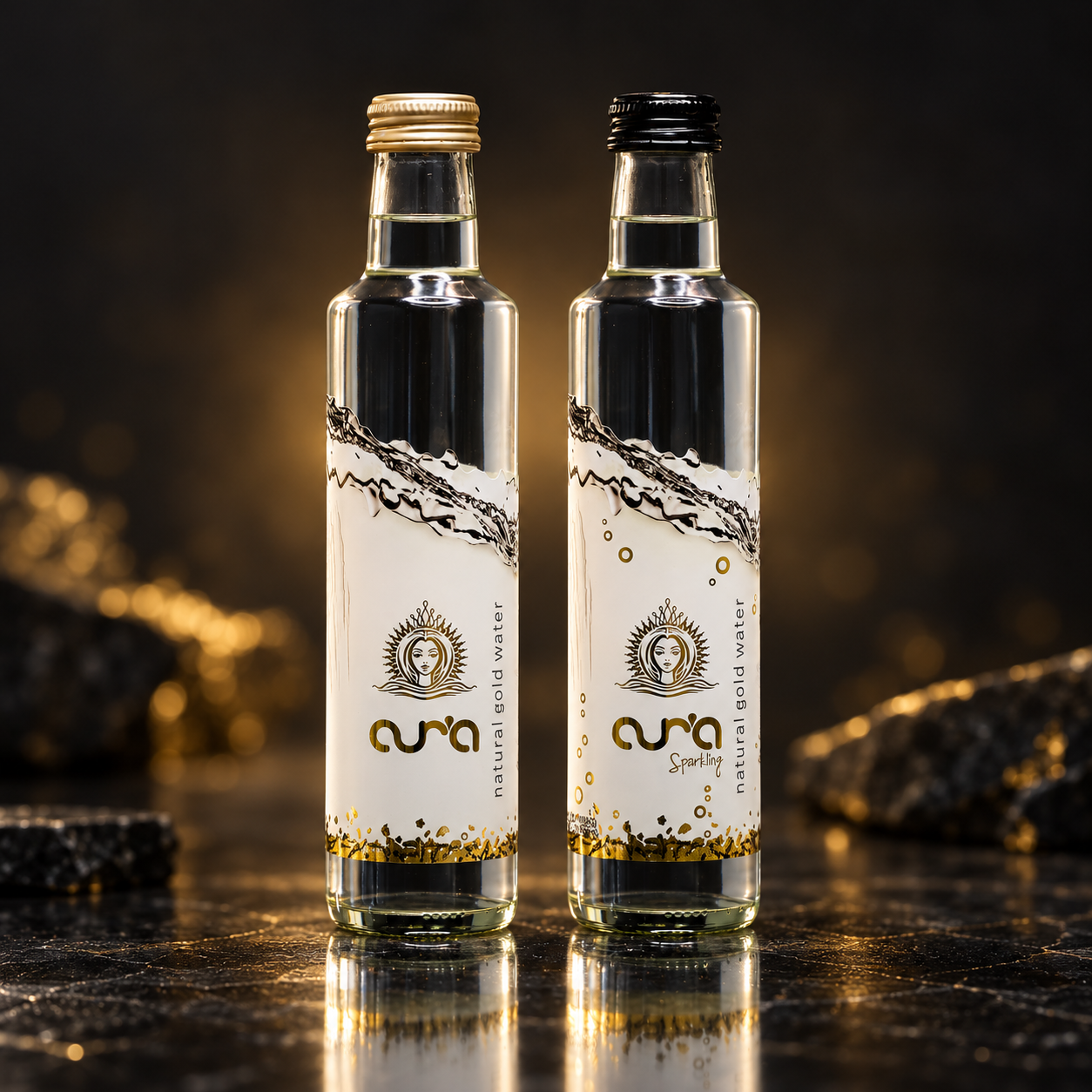
For a closer look at how bottle size changes the way you use sparkling water, see our guide to choosing between 330 ml and 750 ml bottled water. If you want a concrete starting point, the AUR'A 330 ml case of 12 suits daily single-serve drinking, while the larger format below covers the table.
Build a Daily Seltzer Routine That Works for You
A daily seltzer habit works best when it is anchored to moments you already have, rather than added as a separate intention. Most people who stick with it attach it to a meal, a work transition, or an evening ritual.
Try a simple structure:
- Morning: plain still water first, before anything carbonated
- Lunch: one chilled sparkling water with the meal, which also limits all-day acid exposure
- Afternoon: a smaller bottle at the desk instead of a second coffee
- Evening: a larger bottle poured into a wine glass with dinner, which makes the ritual feel deliberate rather than utilitarian
The AUR'A 750 ml case of 6 fits that dinner slot, and the format is built to be poured and shared. If you are committing to a daily habit, it helps to know the arrangement is flexible, and our subscription options to pause, skip, or cancel are designed for exactly that kind of commitment without lock-in.
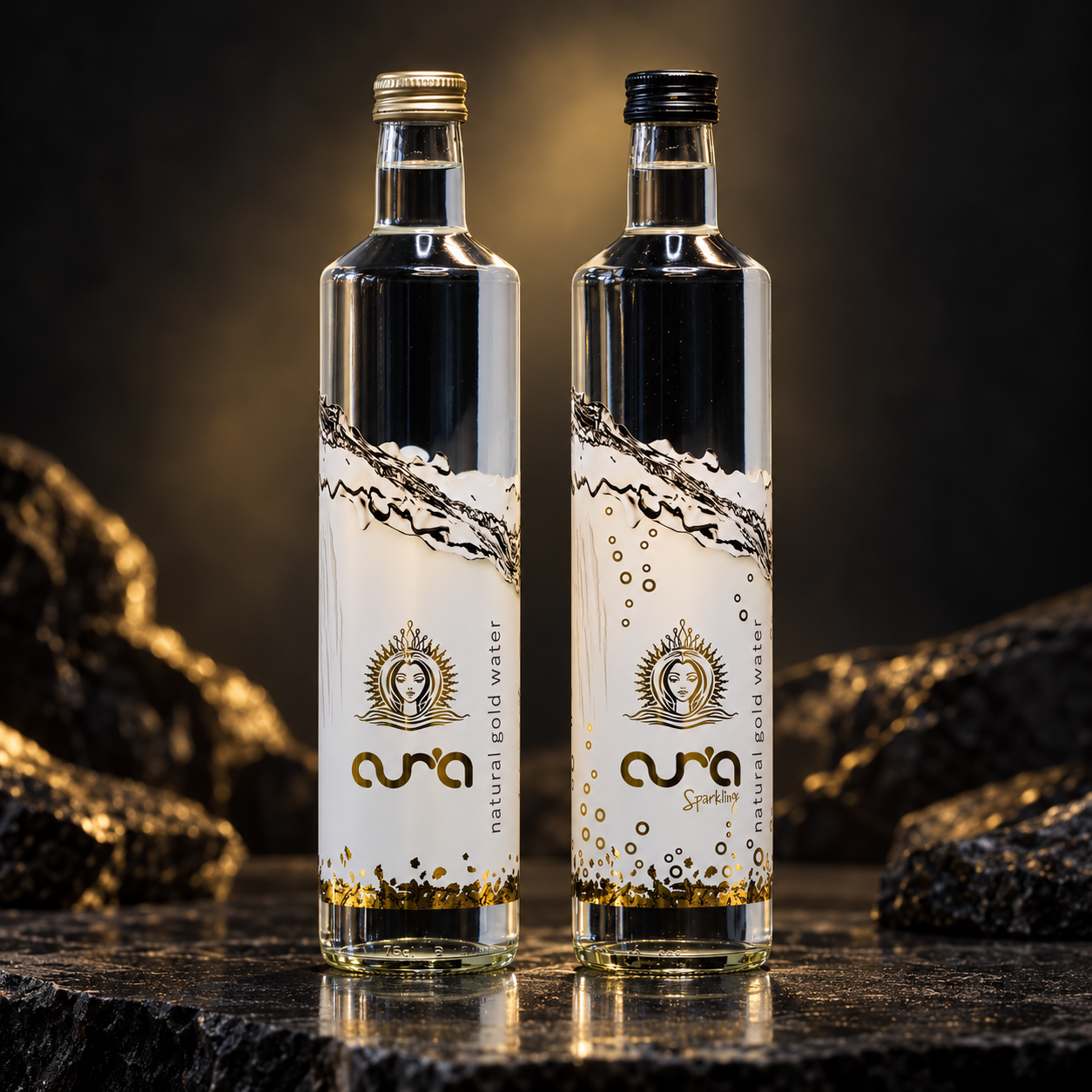
One last practical note: keep the sparkling water visible. A bottle in the fridge door gets drunk; a case in the pantry gets forgotten, and forgotten water is the most common reason a hydration habit quietly dies.
The honest answer to whether drinking seltzer is good for you is that plain, unsweetened sparkling water fits comfortably into a healthy daily routine, and the problems people worry about come from what gets added to it.
Frequently Asked Questions
Is drinking seltzer as hydrating as still water?
Yes. The carbon dioxide that creates bubbles does not block water absorption. Research on fluid intake shows carbonated water hydrates similarly to plain water, and it counts toward daily fluid goals. For most healthy adults, drinking seltzer is a practical way to reach the roughly 11 to 15 cups of fluid recommended each day. The main difference is how it feels in your stomach, not how well it hydrates.
Can drinking seltzer every day hurt your teeth?
Plain, unsweetened seltzer is far less risky than soda because it has no sugar or phosphoric acid. Still, carbonation creates mild carbonic acid, and frequent sipping throughout the day exposes enamel to repeated acid attacks. To lower the risk, drink it with meals, use a straw, rinse with plain water afterward, and wait 30 minutes before brushing. Flavored or citrus-added varieties are more acidic, so check labels and keep those to occasional use.
Does seltzer water cause bloating or digestive discomfort?
Carbonation introduces gas into the digestive tract, which can cause bloating, belching, or temporary fullness in some people. Those with irritable bowel syndrome or acid reflux may notice more symptoms. If you are sensitive, start with one glass with a meal rather than sipping continuously, and avoid drinking large volumes quickly. Many people tolerate daily seltzer without issue, but individual tolerance varies.
Is seltzer water bad for your kidneys?
For healthy adults, plain carbonated water is not harmful to the kidneys. The kidneys regulate fluid and mineral balance well, and carbonation itself does not damage kidney tissue. People with chronic kidney disease or those on sodium-restricted diets should check labels, because club soda and some flavored sparkling waters add sodium. Plain seltzer and sparkling mineral water are generally low in sodium and safe in normal amounts.