Article: Is Bubbly Water Bad for You? The Honest Answer
Is Bubbly Water Bad for You? The Honest Answer
Table of Contents
- Is Bubbly Water Bad for You? What the Evidence Actually Shows
- Does Sparkling Water Hydrate You as Well as Still Water?
- Sparkling Water and Teeth: How Carbonation and Acidity Affect Enamel
- Reading the Label: Sodium, Sweeteners, and Flavorings in Bubbly Water
- Carbonated Water Bloating and Other Digestive Effects
- How Much Sparkling Water Is Too Much?
- Types of Bubbly Water and How They Differ
- Conclusion
- Frequently Asked Questions
Last Updated: October 17, 2026
Is Bubbly Water Bad for You? What the Evidence Actually Shows
Sparkling water has become a symbol of modern wellness, refined taste, and effortless sophistication. But beyond its refreshing bubbles, an important question remains: Is bubbly water actually good for you?
The reassuring answer is that, for most healthy adults, plain sparkling water is a safe and refreshing choice for everyday hydration.
The bubbles in sparkling water come from dissolved carbon dioxide, which forms a mild carbonic acid. While this gives sparkling water its distinctive crispness, carbonation itself is not generally harmful to your health.
However, not all sparkling waters are created equal. Their mineral composition, natural origin, acidity, and added ingredients can make a meaningful difference.
Understanding the science behind sparkling water reveals more than its effects on hydration, dental health, and digestion. It also highlights the qualities that distinguish natural mineral water from ordinary carbonated beverages.
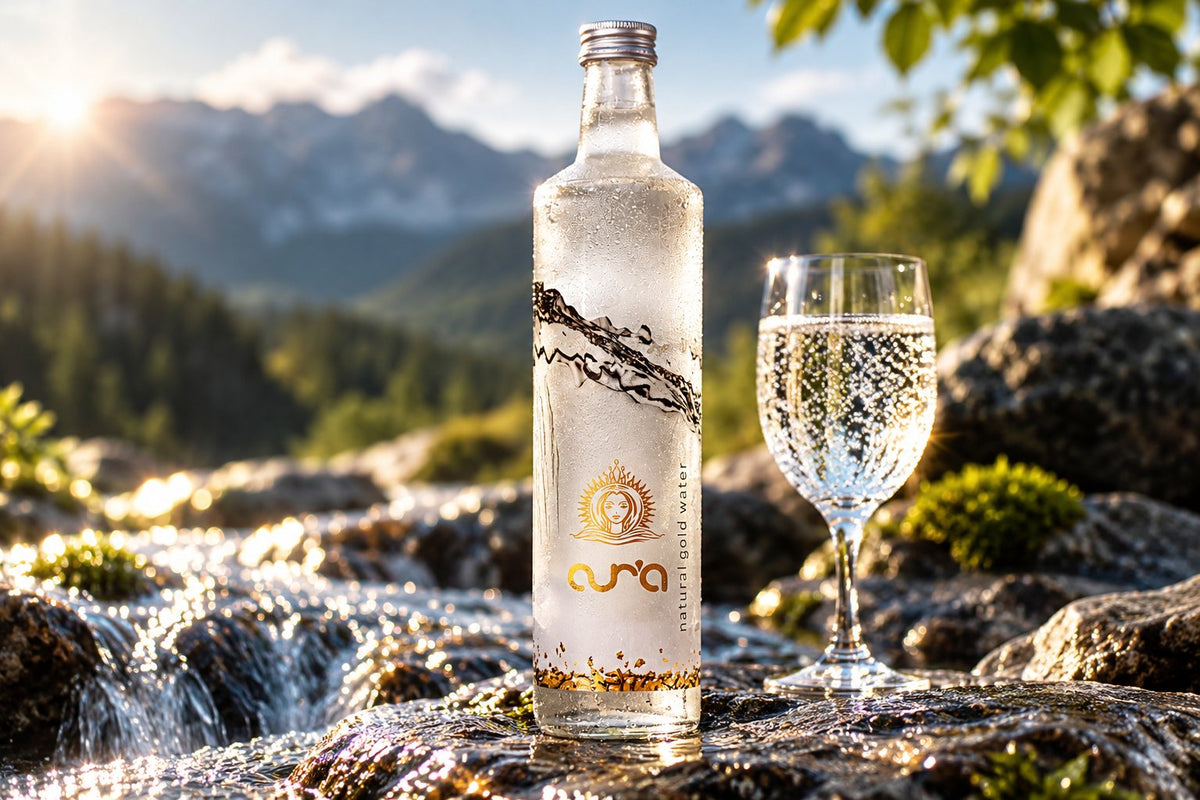
At AUR’A Gold Water, we believe exceptional water begins at its source. From its naturally occurring mineral composition to its distinctive character, premium natural mineral water offers an experience that goes beyond refreshment.
Discover what science actually says about sparkling water—and why the quality, purity, and origin of the water deserve just as much attention as the bubbles.
Experience the extraordinary. Explore AUR’A Gold Water.
Does Sparkling Water Hydrate You as Well as Still Water?
Yes. Sparkling water hydrates you about as effectively as still water. The dissolved carbon dioxide does not interfere with absorption, and the water content is identical. For everyday fluid intake, carbonated water counts toward your daily total the same way plain water does.
Carbonation changes the mouthfeel and the pH slightly, not the water molecule. If you find sparkling water more pleasant than still water, you may drink more of it, which is a net win.
One caveat: heavily carbonated water can create a full-belly sensation that makes some people stop drinking sooner. For ordinary daily hydration, the difference is negligible.
CDC guidance on water and hydration treats total water intake as the metric that matters, not the source.
Sparkling Water and Teeth: How Carbonation and Acidity Affect Enamel
Sparkling water is mildly acidic, and that acidity is the most legitimate concern in this debate. Plain carbonated water typically sits around pH 4 to 5 because dissolved carbon dioxide forms carbonic acid; still water sits near neutral, around pH 7.
Your enamel begins to demineralize at roughly pH 5.5 and below. Plain sparkling water hovers at that boundary, which is why dentists call it low-risk rather than safe. The critical distinction is what else is in the bottle: citrus-flavored sparkling waters can drop well below pH 4 and are meaningfully more erosive.
American Dental Association guidance on acidic drinks and enamel recommends moderation and rinsing with plain water after acidic beverages rather than brushing immediately, since brushing softened enamel causes more wear.

Practical guidance we'd give any guest at our own table:
- Choose plain sparkling over citrus-flavored varieties when drinking daily
- Drink it with a meal rather than sipping continuously all day
- Use a straw if you're particularly cavity-prone
- Rinse with still water afterward, and wait 30 minutes before brushing
For children's teeth, the same logic applies with less margin. Plain sparkling water in moderation is reasonable; sweetened or flavored fizzy drinks are not a daily habit for young enamel.
Reading the Label: Sodium, Sweeteners, and Flavorings in Bubbly Water
The label is where "sparkling water" stops being one category and becomes several. Plain carbonated mineral water contains water and dissolved minerals; flavored sparkling water may add citric acid, natural flavors, and a sweetener; soda adds sugar or syrup on top. Treating them as interchangeable is the most common mistake we see.
Here's how to sort them quickly:
Label signal |
What it means |
Daily-drinking verdict |
|---|---|---|
"Sparkling natural mineral water" only |
Water plus naturally occurring minerals |
Best choice for daily drinking |
"Naturally flavored" with no sweetener |
Added flavor essences, often citric acid |
Fine occasionally, more acidic |
Contains citric or phosphoric acid |
Meaningfully more erosive to enamel |
Limit frequency |
Contains sucralose, stevia, or aspartame |
Sugar-free but still flavored and often acidic |
Moderate |
Contains cane sugar, HFCS, or fruit juice |
It's a soft drink, not sparkling water |
Treat as a dessert |
Sodium deserves its own note. Most plain sparkling waters contain negligible sodium, but some mineral-rich varieties carry meaningful amounts, and club soda is typically higher because sodium is added. If you're managing blood pressure, check milligrams per serving.
Mineral content is also where quality shows. A naturally carbonated mineral water carries calcium, magnesium, and bicarbonate from its source rock, and those minerals are part of why it tastes the way it does. AUR’A Gold Water originates from a natural mineral source in Romania's Banat region, distinguished by its mineral composition, including calcium, magnesium, and bicarbonate. Its reported mineral-water analysis includes a pH of 8.25, while the finished sparkling water's pH may differ due to carbonation

Carbonated Water Bloating and Other Digestive Effects
Carbonated water bloating is real, common, and usually harmless.
Three factors drive who notices symptoms and why:
- Volume and speed of gas release. Highly carbonated water drunk quickly releases more gas at once. Water that has sat open for a few minutes, or that is less aggressively carbonated, is gentler.
- Individual gas tolerance. People with irritable bowel syndrome, functional dyspepsia, or a history of bloating often have heightened visceral sensitivity, meaning the same volume of gas feels more uncomfortable. A common pattern is that someone who tolerates still water fine will notice distension from sparkling water within minutes.
- Air swallowing. Drinking from a bottle or can, talking while drinking, or drinking through a straw can increase swallowed air, which adds to the gas load independent of carbonation.
Belching is the body's normal response; for most people the gas exits within minutes. The useful question is not whether carbonation causes gas, it does, but whether that gas is a problem for you specifically.
Carbonation versus other gas producers. Carbonated water is not uniquely gassy compared with common foods. Beans, cruciferous vegetables, onions, and sugar alcohols like sorbitol produce gas through colonic fermentation hours after eating.
Reflux and GERD. Carbonated beverages can worsen reflux in some people by increasing stomach distension and transient relaxations of the lower esophageal sphincter. Plain sparkling water is not the same as a carbonated soft drink, which adds sugar, acid, and sometimes caffeine.
Who tends to notice it most:
- People with IBS or functional bloating, where gas tolerance is already reduced
- Anyone drinking very cold, highly carbonated water quickly
- People who already swallow air while eating or talking
- Those drinking several liters a day, where cumulative gas load adds up
If carbonation bothers you, the fix is not necessarily to give it up. Let the glass sit so some gas escapes, drink more slowly, choose a less aggressively carbonated product, or alternate sparkling with still.
How Much Sparkling Water Is Too Much?
There is no official upper limit on sparkling water, and any article that gives you a hard number is overselling certainty. What the evidence supports is a set of practical thresholds based on frequency of acid exposure, sodium load, and digestive tolerance.
The dental threshold: frequency beats volume. Enamel erosion is driven more by how often your teeth are exposed to acid than by how much you drink.
The sodium threshold: read the label, not the category. Plain sparkling water and seltzer typically contain negligible sodium. Club soda is higher because sodium bicarbonate is added, and some mineral-rich sparkling waters carry meaningful sodium naturally.
The digestive threshold: your body gives you the signal. If you are bloated, belching regularly, or feeling uncomfortably full after sparkling water, you have passed your personal limit regardless of what any general guideline says.
A practical daily framework for most healthy adults:
- One to three 12-ounce servings a day is unremarkable for most people and fits comfortably within general fluid intake guidance.
- Alternate with still water if you are sensitive to gas or drink sparkling water throughout the day.
- Keep flavored or citrus varieties to occasional use rather than all-day sipping, because of the added acid.
- Treat tonic water and sweetened sparkling drinks as occasional treats, not hydration sources, because of sugar and added ingredients.
Who needs individualized advice. General guidance does not fit everyone. People with diagnosed GERD, IBS, eating disorders that affect enamel, dry mouth from medications, or sodium-restricted diets should ask their dentist or physician.
Types of Bubbly Water and How They Differ
Bubbly water is an umbrella term covering at least five distinct products, and knowing which one you're buying changes the health answer.
Natural sparkling mineral water comes from a spring or borehole and is naturally carbonated, or carbonated at the source. Minerals stay in solution.
Club soda is plain water with added carbonation and added minerals, usually including sodium bicarbonate. It's higher in sodium than most sparkling waters and is designed as a mixer.
Seltzer is plain water, carbonated, with no added minerals. It's the most neutral option and the closest to still water chemically.
Flavored sparkling water adds natural flavors and often citric acid. Sugar-free versions are common, but the acid load is higher than plain.
Tonic water contains quinine and almost always sugar or sweetener. It's a cocktail ingredient, not a hydration drink.
The practical takeaway: if you want the health profile closest to still water, choose plain natural mineral water or seltzer. If you want flavor without sugar, flavored sparkling water is a reasonable compromise but not a daily all-day drink.
Conclusion
The real challenge isn't deciding whether bubbly water is bad for you. It's finding a sparkling water whose mineral content, sourcing, and ingredient list you can trust, because most of what's on the shelf is flavored, sweetened, or simply tap water with gas.
At AUR'A Gold Water, we bottle our sparkling mineral water at the source in the Banat Mountains, in glass, with a naturally alkaline pH of roughly 8.25 and trace gold and silver measured by laboratory analysis. Our 330 ml case of 12 is built for daily drinking at $95.00, and the 750 ml case of 6 at $89.00 is made for the table, poured and shared. Complimentary nationwide shipping and a subscription you can pause or cancel anytime make it easy to keep on hand.

Shop AUR'A and make the switch to a sparkling water you can read the label on without flinching.
Frequently Asked Questions
Can bubbly water hydrate you as well as still water?
Yes. The water in sparkling water is still water, so it supports hydration the same way. Carbonation adds carbon dioxide, not dehydration. Research and dental guidance generally treat plain sparkling water as a hydrating drink choice, and it counts toward your daily water intake. The main differences come from what else is in the bottle, such as added sugar, sweeteners, or sodium, not from the bubbles themselves.
Can sparkling water harm your teeth?
Plain sparkling water is far less acidic than soda, but it is still slightly acidic because of carbonic acid. The bigger risk to tooth enamel comes from frequent sipping of sweetened or citrus-flavored bubbly drinks throughout the day. To lower the risk, drink plain sparkling water with meals, use a straw, rinse with plain water afterward, and wait about 30 minutes before brushing so softened enamel can recover.
Does carbonated water cause bloating or gas?
It can for some people. The carbon dioxide that creates bubbles can build up in the digestive tract and lead to gas, bloating, or belching, especially if you drink several bottles quickly. People with sensitive stomachs or reflux may notice symptoms more often. Sipping slowly, drinking with food, and choosing smaller servings usually helps. If symptoms persist, switch to still water and talk with a healthcare professional.
How much sparkling water is too much?
There is no strict official limit for plain sparkling water, but most guidance suggests keeping it to a few servings a day and pairing it with still water. Going beyond that is less about the bubbles and more about the ingredients: flavored or sweetened varieties can add sugar, sweeteners, or sodium. If you notice bloating, belching, or tooth sensitivity, cut back and rotate in plain still water.